Nutrient supply should not depend on a ship arriving
Harvora Industries builds machines that produce nitrate fertiliser on the farm, from air and electricity. The goal is narrow and practical: make the single most important agricultural input something a farm can produce rather than something it has to source.
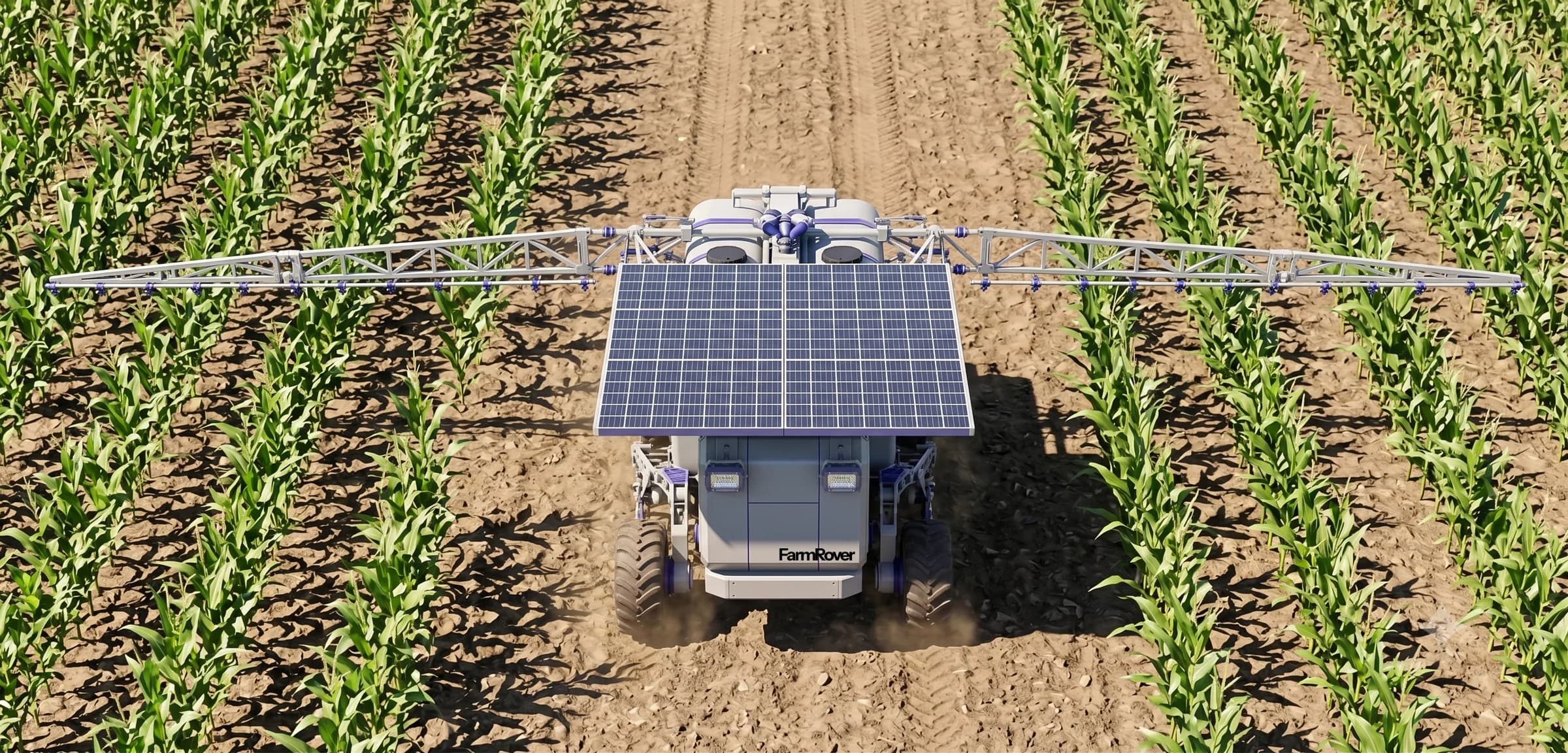
Nitrogen is the input farms cannot skip
Almost all of the world's nitrogen fertiliser is made by the Haber-Bosch process, in large centralised plants. It is effective and it is more than a century old, but it concentrates production in a small number of facilities and moves the output around the world by ship, road, and distributor.
For a farm in Ghana, that chain is long. Price is set elsewhere, availability moves with currency and freight, and a delay does not wait for the planting window. The fertiliser itself works fine — the supply chain around it is the fragile part.
Harvora's approach is to shorten the chain to nothing. Air is roughly 78% nitrogen. If the farm can break that nitrogen apart on site and turn it into nitrate, the shipping, the pricing, and the waiting all stop being the farm's problem.
Three commitments
Build close to the problem
The machines are developed in Ghana, for Ghanaian and West African farms. Field conditions are something the team can drive out and stand in rather than model from a distance.
Chemistry first, autonomy later
The hard problem is producing nitrate reliably from air and electricity. Making the machine drive itself is a later problem, and pretending otherwise would slow the part that matters.
Claim only what has been measured
Early results are published as early results, with their limits stated. Nothing goes on this site because it would read well.
Pilots, partnerships, and questions
Harvora is looking for pilot hosts, distribution partners, and funders working on agricultural resilience in West Africa.